
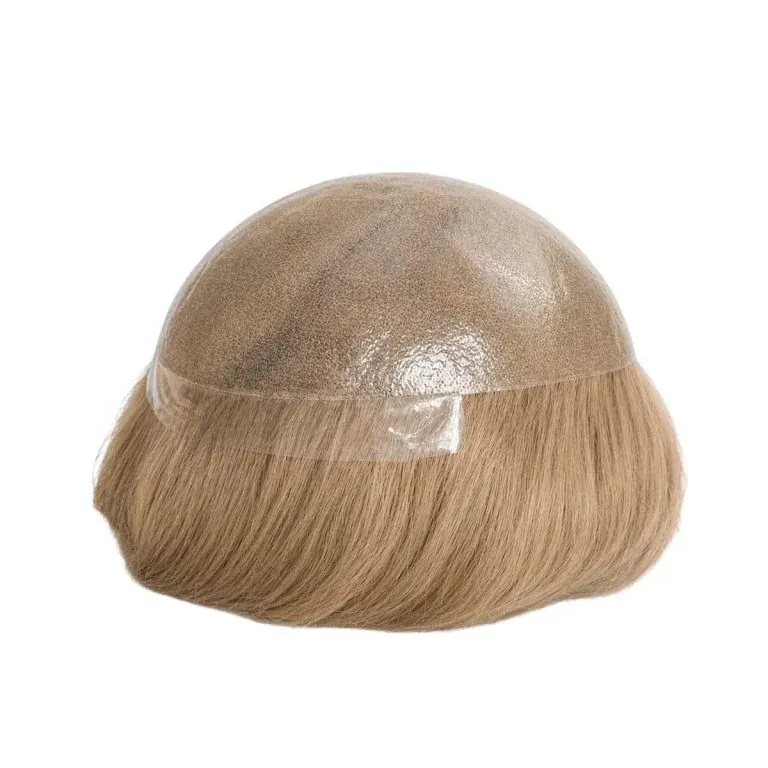
A salt-and-pepper system can have the right overall grey percentage and still look wrong at the sides. The reason is often distribution: the client’s temples, crown and back may not have greyed evenly. Matching the main shade, the white-fibre material and each visible zone gives the factory a clearer target than a single percentage or phone photograph.
Choose a reference both sides understand
Ask the supplier which colour ring or physical sample it accepts. Record the relevant code and explain whether the target is the reference itself or a modified version. If sending client hair, confirm how it should be prepared and labelled. Keep photographs as supporting material because screens and lighting can change the apparent tone.
Physical references reduce guesswork
Also describe whether the colour needs to match natural regrowth, a freshly coloured style or a previous hair system. Those targets can differ. If several references are sent, identify which takes priority. Otherwise the factory may be asked to reconcile shades that the buyer did not intend to be combined.
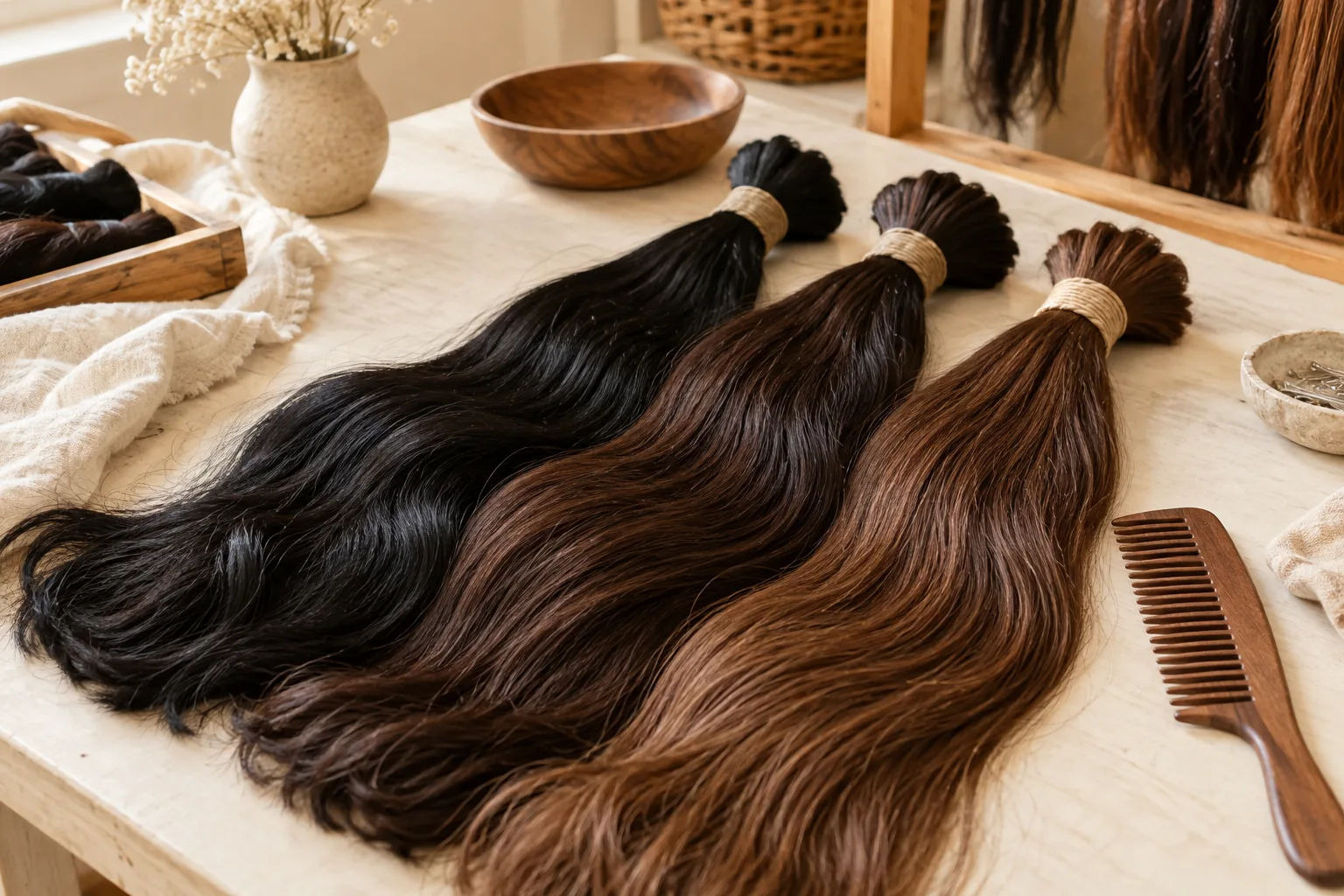
Specify grey percentage and placement
Write the main colour and grey percentage for each zone when the pattern varies. An illustrative brief might request 20% grey on top and 40% at the temples, with a smooth transition between them; those numbers are an example, not a recommended formula. Pay particular attention to the side and back perimeter, where the system meets the client’s remaining hair.
Uniform mixing is not the only option
Confirm whether the white component is human hair or synthetic fibre before planning salon work. Human white hair can take colour, changing the blend; synthetic grey may react differently and has fibre-specific heat limits. Neither should be treated as universally colour-proof or heat-safe. Record the supplied fibre type and follow its care guidance rather than treating the entire system as one material.
For several pieces ordered together, confirm whether they should follow one identical colour reference or different client references. Label each clearly and check that the sample photographs show the corresponding order code. This simple step helps prevent an otherwise accurate colour assessment from being applied to the wrong piece during review or packing.
Review colour under consistent conditions
When evaluating a sample, use neutral lighting and compare it directly with the agreed reference. Photograph both together, rather than sending isolated images taken in different rooms. Check the hair without strong styling products that may alter its appearance. View it from more than one angle because surface reflection influences how light and dark tones appear.
Compare like with like
Separate a shade difference from a distribution difference. A piece can contain the agreed grey proportion yet appear lighter if those fibres are concentrated near the visible surface. Describe where the difference occurs and provide close views. This gives the manufacturer a more useful basis for review than a general statement that the colour is wrong.
Create a repeatable colour record
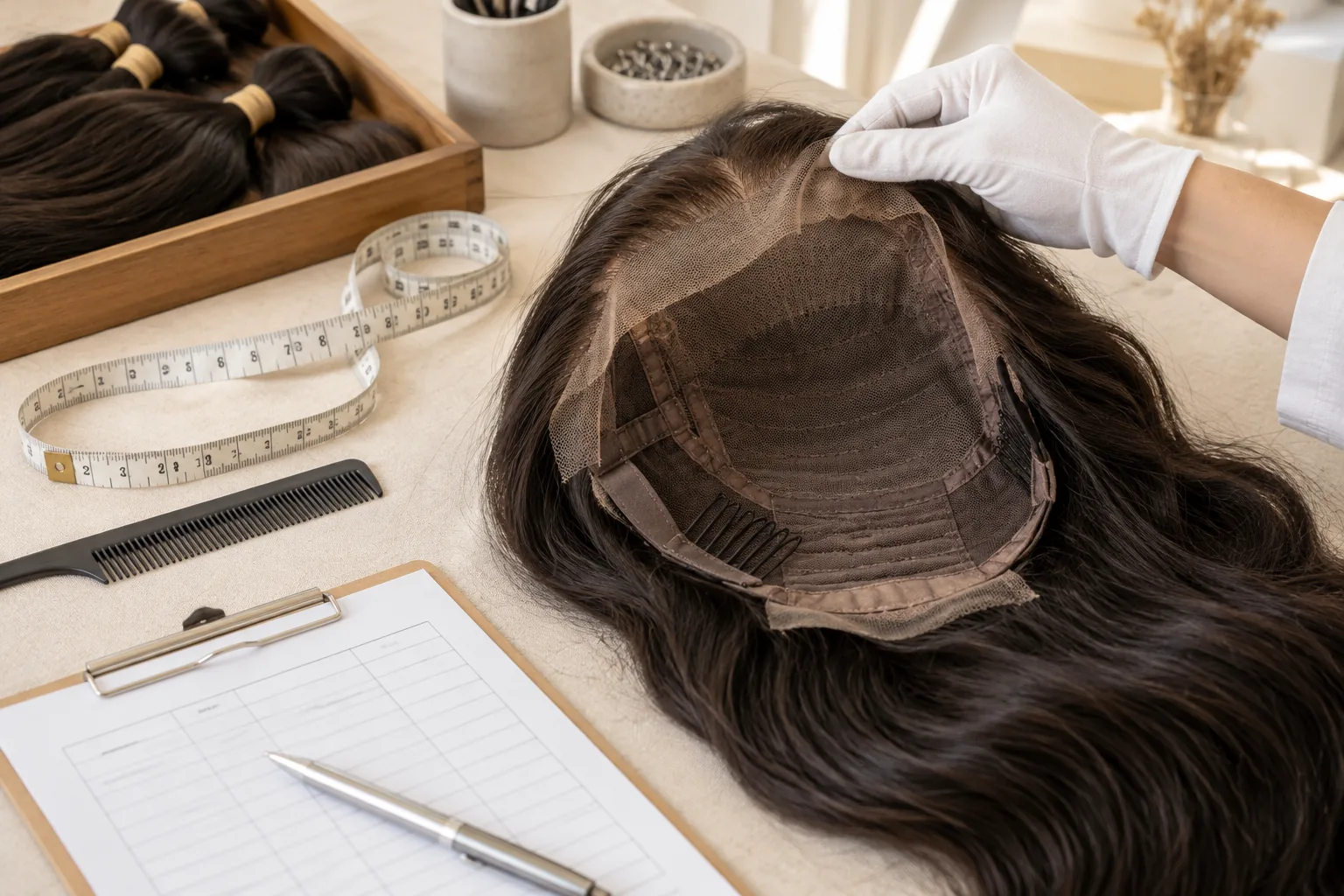
Save the accepted shade code, grey material, percentage and zoned distribution with a dated reference. If the client later changes hair colour, revise the target before the next order. Do not expect a supplier to infer that change from an older sample. Distinguish a request to reproduce the original from a request to improve a particular area.
Note approved adjustments explicitly
Royal Hair coordinates sales with production by Phuc Thien Toupee. Use Custom Order to confirm colour references and grey options for the selected hair system. Ask for review images before cutting or dispatch where available. An approved reference and clear distribution notes help future orders follow the same intention, while recognising that photographs alone cannot guarantee an exact match.